
Custom Industrial Valves for Reliable Flow Control
- Valve
- Oct 16, 2026
- 8 Views
Custom Industrial Valves for Reliable Flow Control
Industrial processes depend on accurate flow control to maintain safety, efficiency, and consistent production. Valves play an essential role in regulating liquids, gases, steam, chemicals, and other materials throughout industrial systems. However, standard valve designs do not always meet the requirements of specialized applications. Different industries operate under varying pressures, temperatures, flow rates, and environmental conditions, making customized equipment an important consideration. Custom Industrial Valves are developed to address these specific operational requirements while supporting reliable performance and long-term equipment durability.
From manufacturing plants and chemical processing facilities to power generation stations and water treatment systems, specially designed valves can help solve complex flow control challenges. They allow engineers to select appropriate materials, connection types, operating mechanisms, and dimensions according to the demands of an installation. By matching valve specifications with actual process conditions, businesses can improve operational efficiency, reduce maintenance concerns, and maintain greater control over their systems. Understanding the available designs, manufacturing considerations, and selection criteria helps industries make informed decisions when investing in specialized valve solutions.
What Are Custom Industrial Valves?
Custom industrial valves are flow control devices manufactured or modified to meet particular application requirements that cannot be adequately addressed by standard, off-the-shelf products. Their design may involve adjustments to valve dimensions, body materials, pressure ratings, sealing arrangements, actuation systems, or connection configurations. These modifications allow the equipment to integrate effectively with existing pipelines and specialized machinery.
Unlike conventional valves produced in standard configurations, customized models are developed around the operating conditions of a particular process. For example, a chemical processing plant may require corrosion-resistant internal components, while a high-temperature steam application may need specialized sealing materials and a body designed for thermal stress. Similarly, a facility with limited installation space might require a compact valve body or an unusual connection arrangement.
The customization process generally begins with a review of the application, followed by engineering design, material selection, manufacturing, inspection, and performance testing. Depending on the project, manufacturers may also provide technical documentation and support during installation. This approach helps ensure that the finished valve meets the functional, dimensional, and safety requirements established for the intended operating environment.
Why Industries Need Customized Valve Solutions
Industrial systems differ considerably in their operating requirements. A valve suitable for a water distribution network may not perform effectively in a chemical reactor, an oil processing facility, or a high-pressure steam pipeline. Differences in fluid properties, operating temperatures, pressure fluctuations, and flow characteristics can influence valve selection and service life.
Customized solutions help address these differences by allowing engineers to specify components according to real operating conditions. A specialized design may improve sealing performance, reduce unwanted pressure losses, or accommodate unusual pipeline dimensions. It can also help facilities replace obsolete valves that are no longer available in their original configuration.
Another important consideration is process continuity. An incorrectly selected valve can contribute to leakage, unexpected shutdowns, maintenance expenses, and production interruptions. Properly engineered valves help reduce these risks when they are designed, installed, operated, and maintained correctly.
Industries also use customized solutions when their processes evolve. Production upgrades, equipment modernization, and changes in fluid composition may create new requirements that existing valves cannot satisfy. Instead of redesigning an entire pipeline system, a business may be able to introduce a purpose-built valve that integrates with the existing infrastructure.
Common Types of Industrial Valves
Different valve designs perform different functions, including isolation, flow regulation, backflow prevention, and pressure control. Selecting the correct type depends on the process requirements, fluid characteristics, and frequency of operation.
1. Ball Valves
Ball valves use a rotating spherical element with a passage through its center to control flow. A quarter-turn movement generally opens or closes the valve, making this design suitable for applications requiring quick operation and dependable shutoff. Depending on the design and materials, ball valves are used in water systems, oil and gas facilities, chemical processing, and industrial utilities.
Customized ball valves may feature special body materials, enhanced sealing arrangements, unique connection dimensions, or automated actuators. These modifications can support applications where standard configurations do not meet installation or operating requirements.
2. Gate Valves
Gate valves control flow by moving a gate into or out of the fluid passage. They are commonly used for isolation in pipelines where the valve generally operates in either a fully open or fully closed position. When fully open and properly selected, they can provide a relatively unobstructed flow path.
Specialized gate valve designs may accommodate demanding pressure conditions, unusual pipe sizes, or specific material requirements. They are frequently considered in water distribution, power generation, and industrial processing systems.
3. Globe Valves
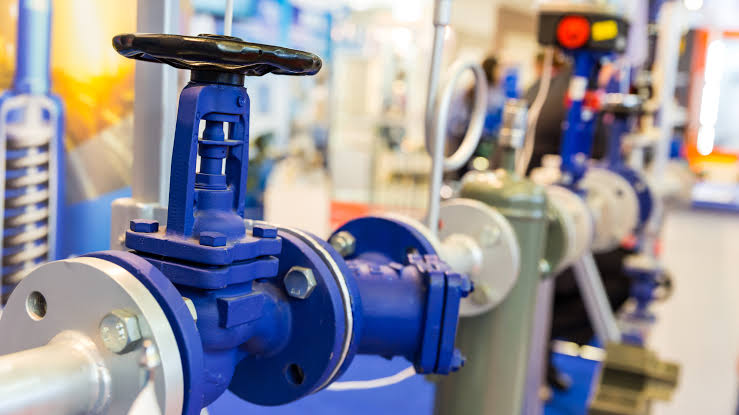
Globe valves use a movable disc and seat arrangement to regulate fluid flow. Their design makes them useful in applications requiring more precise throttling than a typical isolation valve can provide. They are used in steam systems, cooling circuits, process pipelines, and other installations where flow adjustment is important.
Custom configurations may include specialized trim, improved sealing materials, and actuator compatibility to support the required control characteristics.
4. Butterfly Valves
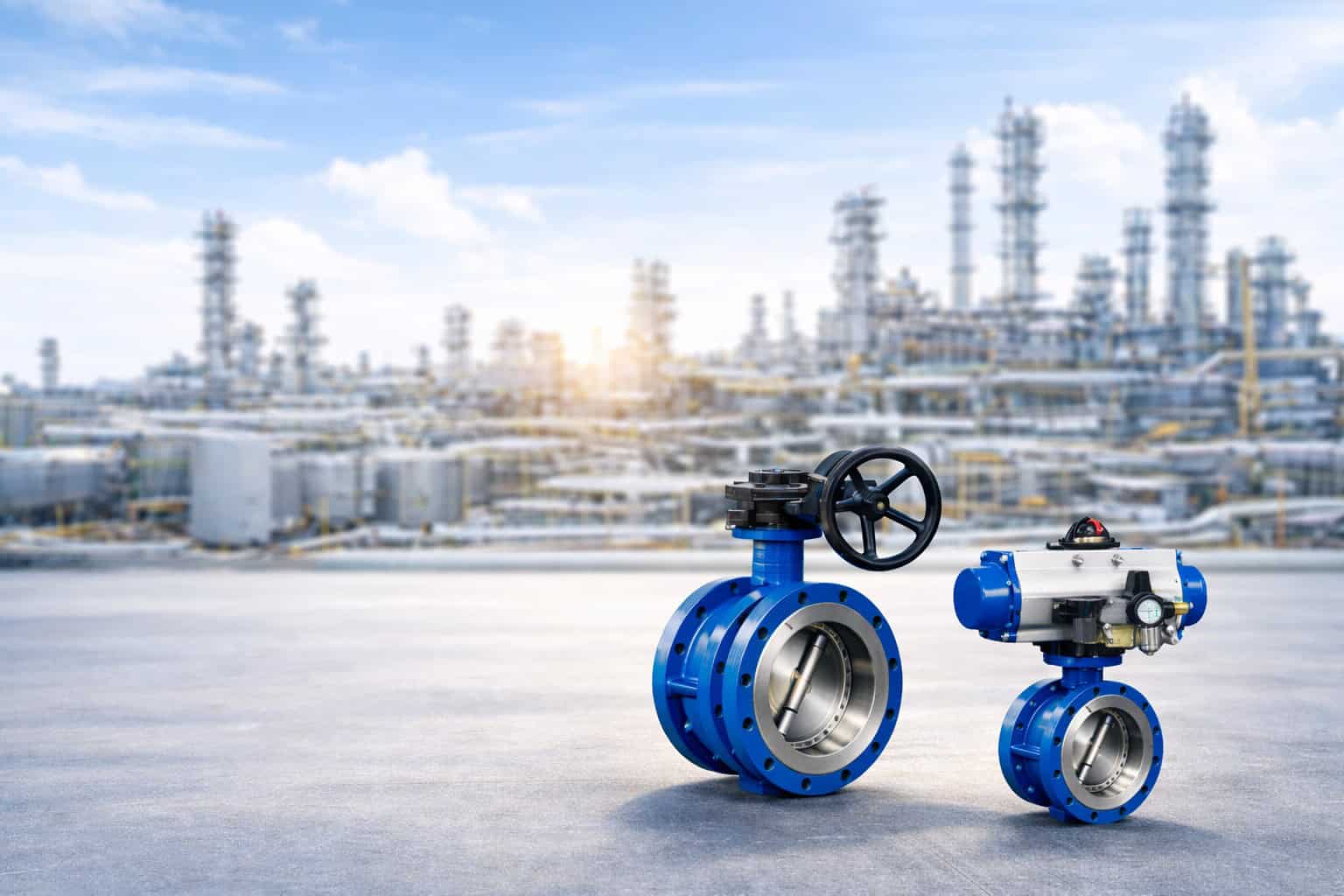
Butterfly valves regulate flow using a rotating disc positioned inside the valve body. Their relatively compact construction makes them useful in large-diameter pipelines and installations where weight or available space is a concern. Common applications include water treatment, HVAC systems, industrial utilities, and selected chemical processes.
Customized butterfly valves can be designed with different disc materials, seat compounds, connection styles, and operating mechanisms to suit particular service conditions.
5. Check Valves
Check valves allow fluid to move in one direction while helping prevent reverse flow. They are often installed in pump discharge lines, water networks, industrial processing equipment, and other systems where backflow could damage equipment or disrupt operations.
The appropriate design depends on flow velocity, pressure conditions, installation orientation, and the potential for water hammer or pressure surges. Specialized designs can help address these concerns when supported by suitable engineering calculations.
Key Benefits of Custom Industrial Valves
The primary advantage of customized valve engineering is the ability to match equipment characteristics with the demands of a specific application. Instead of relying on a general-purpose component, facilities can choose a configuration that supports their operating requirements.
One important benefit is improved compatibility. Special dimensions, flange arrangements, mounting interfaces, and actuator connections can help integrate a valve with existing equipment. This is particularly valuable when replacing discontinued components or upgrading older industrial systems.
Material selection is another significant advantage. Different fluids can cause corrosion, erosion, swelling, or other forms of material degradation. Specifying suitable body, trim, and sealing materials can improve durability when the selected materials are compatible with the actual process conditions.
Other potential benefits include:
Improved suitability for specialized pressure and temperature requirements.
Better integration with manual, pneumatic, hydraulic, or electric actuation.
More appropriate sealing arrangements for the intended service.
Reduced installation difficulties when dimensions are engineered correctly.
Support for maintenance planning and equipment standardization.
Improved operational reliability when design, testing, and installation are properly managed.
These advantages depend on accurate specifications and sound engineering. Customization alone does not guarantee superior performance; the final design must be validated for its intended application.
Materials Used in Industrial Valve Manufacturing
Material selection directly influences a valve's mechanical strength, corrosion resistance, temperature capability, and service life. Engineers must evaluate the process fluid, operating pressure, temperature range, and applicable industry standards before choosing materials.
Material | Key Characteristics | Common Applications |
|---|---|---|
Carbon steel | Good mechanical strength and broad industrial use | Oil pipelines, utilities, and general process systems |
Stainless steel | Corrosion resistance in many environments | Food processing, chemical systems, and water applications |
Cast iron | Suitable for many moderate-pressure utility applications | Water distribution and building services |
Ductile iron | Improved strength and toughness compared with conventional cast iron | Water networks and industrial utilities |
Duplex stainless steel | High strength and enhanced resistance to certain corrosive environments | Marine, chemical, and offshore applications |
Nickel alloys | Suitable for selected demanding corrosive or high-temperature services | Specialized chemical and process industries |
PTFE and other polymers | Useful sealing or lining options for compatible chemicals | Corrosive fluid handling and specialized process systems |
No material is appropriate for every application. Chemical concentration, fluid velocity, temperature, pressure, and the possibility of galvanic corrosion must all be considered. Seal materials also require careful evaluation because an otherwise suitable metal valve can still fail if its elastomers or polymers are incompatible with the process fluid.
Applications Across Different Industries
Oil and Gas Industry
Oil and gas facilities use valves throughout production, transportation, storage, and processing operations. These installations may involve hydrocarbons, produced water, corrosive fluids, and demanding pressure conditions. Purpose-built valve configurations can address special pipeline dimensions, actuator requirements, material specifications, and isolation needs.
In critical applications, valve selection must account for leakage limits, fire safety requirements where applicable, pressure ratings, and relevant industry standards. Proper qualification and inspection are essential to maintaining dependable operation.
Chemical and Petrochemical Processing
Chemical plants handle substances with widely varying corrosive properties, temperatures, and process characteristics. Valve materials and internal components must be selected to withstand the specific chemicals involved. Specialized linings, corrosion-resistant alloys, and compatible sealing materials may be required.
Accurate flow regulation is also important in chemical dosing, mixing, and reaction processes. An appropriately selected valve can help maintain the required operating conditions while minimizing the risk of leakage or process disruption.
Water and Wastewater Treatment
Water treatment facilities use valves to manage distribution, filtration, pumping, chemical dosing, and wastewater handling. Large pipelines may require compact, lightweight designs that can be installed and maintained efficiently. Other applications may demand resistance to abrasive particles, suspended solids, or treatment chemicals.
Valve configuration should reflect the fluid characteristics and expected operating conditions. Properly selected valves support reliable distribution and help operators isolate sections of a system during maintenance.
Power Generation
Power plants rely on valves in steam circuits, cooling systems, fuel handling, and auxiliary services. Some applications involve high temperatures, substantial pressure, or repeated thermal cycling. These conditions place additional demands on valve bodies, trim, packing, and sealing systems.
Engineering assessments must consider pressure-temperature ratings, thermal expansion, actuation requirements, and the consequences of valve failure. Applicable power industry codes and plant specifications should guide the design and qualification process.
Food and Pharmaceutical Manufacturing
Food, beverage, and pharmaceutical facilities may require valves designed for hygienic processing. Depending on the application, the design may need smooth product-contact surfaces, suitable seals, drainability, and compatibility with cleaning or sterilization procedures.
Material traceability and documentation may also be important. The valve should meet the applicable sanitary, regulatory, and process requirements rather than relying solely on general industrial specifications.
Important Factors When Selecting Custom Industrial Valves
Choosing the correct valve requires a clear understanding of the process and installation environment. Buyers should begin by documenting the fluid, normal and maximum operating pressures, temperature range, flow rate, and required control function.
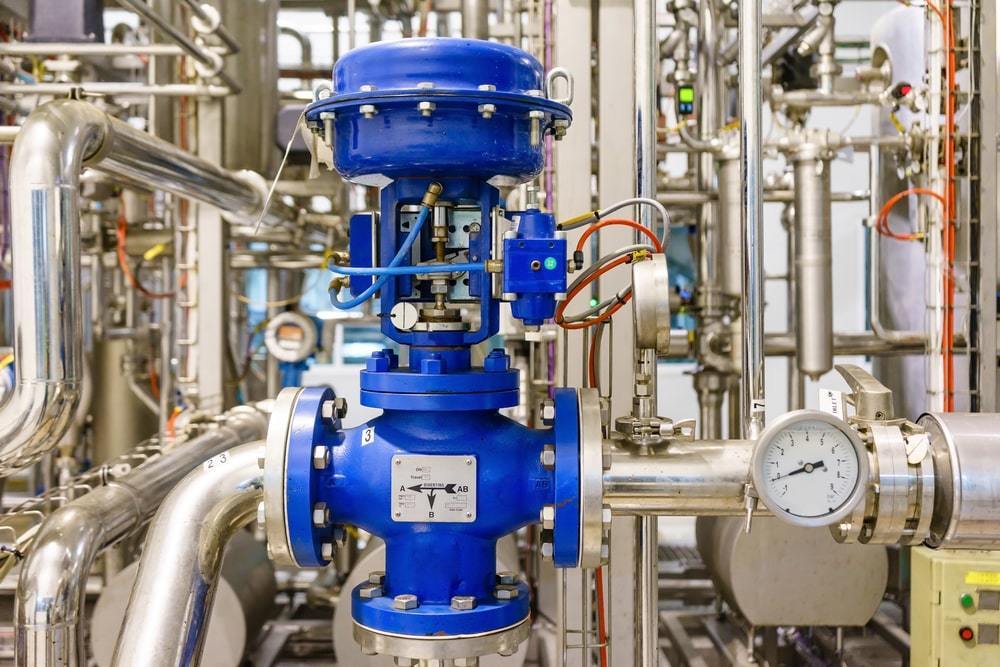
The valve type should match the task. Isolation applications may call for a ball, gate, or butterfly valve, while throttling requirements may favor a globe valve or an engineered control valve. Backflow prevention requires a suitable check valve design. Not every valve type performs every function equally well.
Connection dimensions and end connections must also match the pipeline. Incorrect flange standards, face-to-face dimensions, or actuator mounting interfaces can create installation problems. If automation is required, engineers should evaluate the actuator's torque or thrust requirements, available power supply, control signals, and fail-safe behavior where applicable.
Before finalizing a specification, consider the following checklist:
Identify the process fluid and any corrosive or abrasive properties.
Confirm operating and design pressure and temperature.
Establish required flow capacity and shutoff performance.
Select compatible body, trim, and sealing materials.
Verify pipeline dimensions and connection standards.
Define manual or automated operating requirements.
Confirm testing, certification, and documentation needs.
Review maintenance access, spare parts, and expected service conditions.
A detailed specification helps manufacturers develop an appropriate solution and reduces the likelihood of costly changes during installation.
Manufacturing Process and Quality Assurance
Producing a specialized industrial valve typically involves engineering design, material procurement, component manufacturing, assembly, inspection, and testing. Depending on the complexity of the project, the process may also include computer-aided design, flow analysis, finite element analysis, or prototype evaluation.
The first stage is requirements review. Engineers assess the application data and determine whether the proposed design can satisfy the pressure, temperature, flow, and dimensional requirements. Drawings and specifications are then prepared for approval before manufacturing begins.
During production, machining tolerances, surface finishes, material identification, and component dimensions must be controlled according to the approved specifications. Assembly procedures should ensure correct alignment and suitable installation of seats, seals, stems, and other internal components.
Quality assurance continues through inspection and testing. Depending on the valve type and applicable requirements, tests may include shell pressure testing, seat leakage testing, dimensional inspection, and functional checks. Additional examination or material verification may be necessary for demanding applications.
Manufacturers should provide the agreed test reports, material certificates, and technical documentation. Relevant standards, such as applicable ISO, API, ASME, or other recognized requirements, should be identified according to the specific valve service and project. Compliance must be demonstrated where required rather than assumed from a product description.
Maintenance Practices for Long-Term Performance
Even a well-designed valve requires appropriate maintenance to deliver reliable performance throughout its service life. Maintenance requirements vary according to valve type, operating frequency, fluid properties, and the severity of the application.
Routine inspections can identify leakage, corrosion, unusual noise, vibration, actuator problems, and visible damage before these issues lead to larger failures. Operators should also monitor pressure changes and operating torque where suitable, as these can reveal developing problems such as deposits, wear, or misalignment.
Maintenance activities may include checking external connections, inspecting accessible seals, lubricating components when specified, verifying actuator operation, and replacing worn parts with compatible components. The manufacturer's instructions should guide service intervals and approved repair procedures.
Important maintenance practices include:
Maintain accurate inspection and service records.
Follow lockout, isolation, depressurization, and other safety procedures.
Use approved replacement seals and internal components.
Test automated controls and position indicators periodically.
Investigate recurring leakage rather than repeatedly applying temporary fixes.
Keep critical spare parts available for essential process equipment.
Preventive maintenance helps reduce unexpected downtime and supports safer operations. For valves used in hazardous or high-pressure services, inspection and repair should be performed by qualified personnel under appropriate procedures.
How to Choose the Right Valve Manufacturer
Selecting a capable manufacturer is an important part of obtaining a reliable valve solution. Buyers should assess the manufacturer's engineering experience, production capabilities, material sourcing practices, quality management systems, and ability to document compliance with project requirements.
A suitable supplier should be willing to review operating conditions before recommending a design. The supplier should also explain material choices, pressure ratings, connection details, testing procedures, lead times, and maintenance considerations. Clear communication during the specification stage can prevent misunderstandings later in the project.
Experience with similar applications can be valuable, especially when the valve must handle unusual fluids, elevated temperatures, specialized dimensions, or integration with automated equipment. Buyers should request relevant technical documents and verify that claimed certifications apply to the specific product and manufacturing facility.
Cost should be assessed alongside service life, maintenance requirements, delivery schedules, and the consequences of failure. A low initial price may not represent the best overall value if the valve requires frequent repairs or cannot meet the process requirements. A thorough technical and commercial evaluation helps businesses select a supplier that can support both immediate installation needs and long-term operational goals.
Future Trends in Industrial Valve Technology
Industrial valve technology continues to develop alongside automation, digital monitoring, energy efficiency, and increasingly demanding process requirements. Automated valves equipped with electric or pneumatic actuators can support remote operation and more consistent control in suitable applications. Position feedback and condition-monitoring systems can also help operators understand valve performance without relying entirely on manual inspections.
Predictive maintenance is another developing area. By evaluating operating data, actuator performance, and other relevant indicators, maintenance teams may be able to identify abnormal behavior earlier and plan interventions before a failure occurs. The effectiveness of these systems depends on sensor quality, data interpretation, and the specific operating environment.
Materials engineering and manufacturing methods are also evolving. Improved coatings, advanced alloys, precision machining, and additive manufacturing may provide new options for selected specialized components. However, newer technologies must still meet applicable safety, material, testing, and qualification requirements.
Conclusion
Industrial flow control requires equipment that matches the specific demands of each application. From material compatibility and pressure ratings to connection dimensions and automated operation, every design decision can influence performance, safety, and maintenance requirements. A carefully engineered valve can improve system integration, support reliable operation, and reduce avoidable equipment problems when it is correctly specified and maintained.
Custom Industrial Valves provide a practical option for facilities facing unusual operating conditions, specialized installation requirements, or limitations with standard products. Businesses should evaluate valve type, construction materials, manufacturing quality, testing procedures, and supplier expertise before making a purchasing decision. Working with a technically capable manufacturer helps ensure that the selected solution meets the intended service requirements and relevant industry standards. With proper engineering, installation, and preventive maintenance, customized valve solutions can support dependable industrial operations over the long term.
Related Posts
- Oct 14, 2026
- SUDE
- 10
Process Control Valves: A Complete Guide to Industrial Flow Management
Explore More