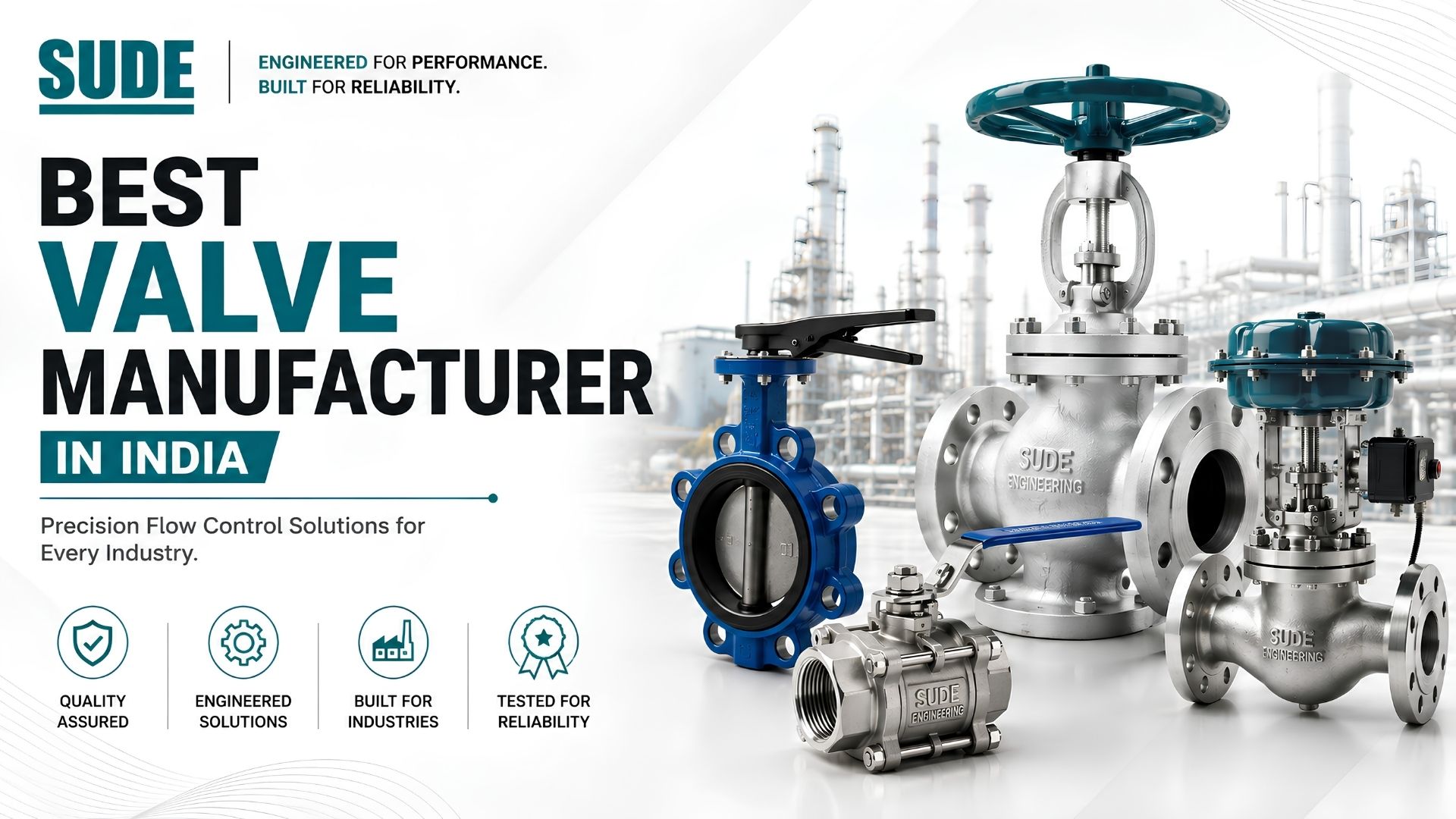

Industrial Butterfly Valves for Efficient Flow Control
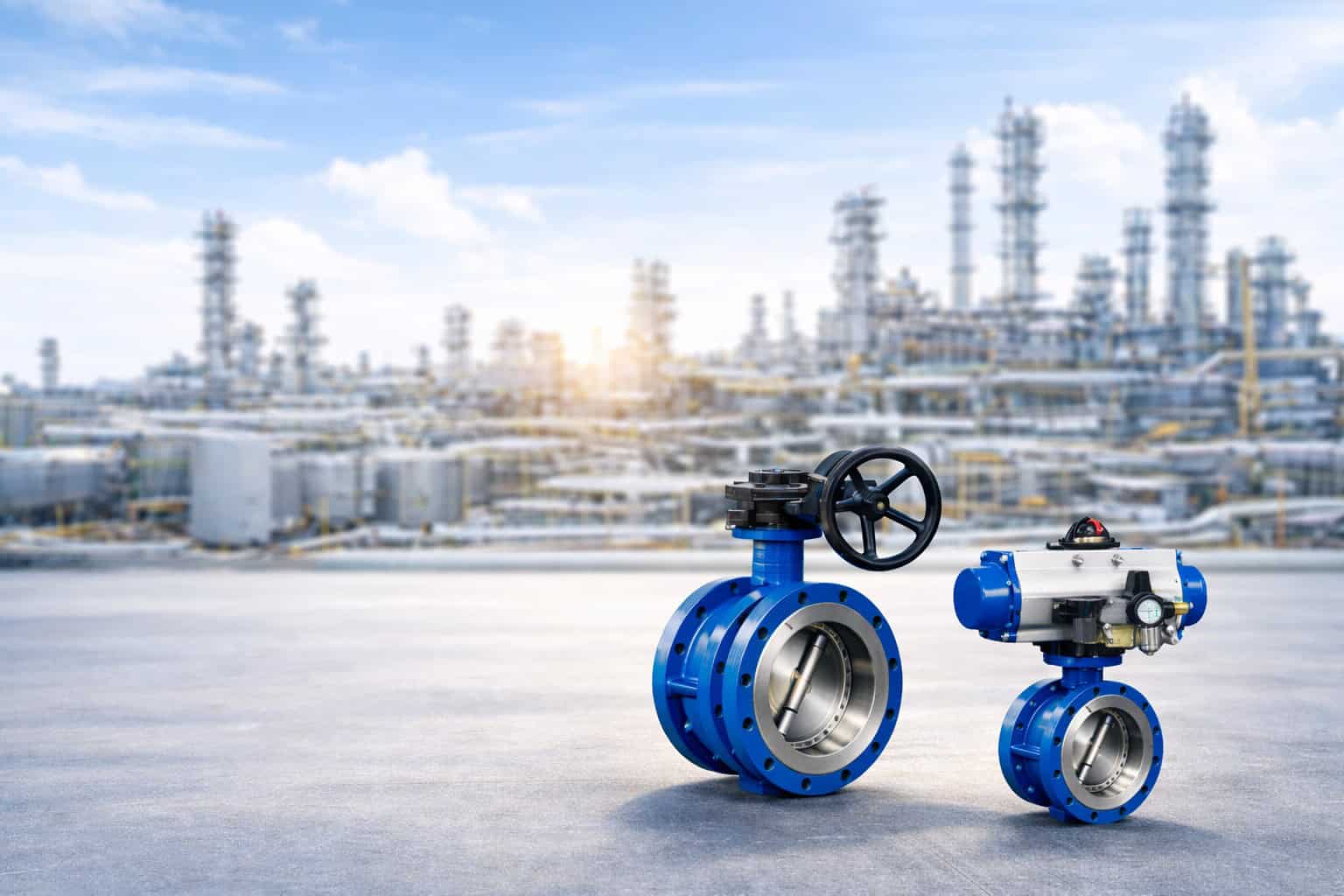
- Valve
- Oct 02, 2026
- 19 Views
Industrial Butterfly Valves for Efficient Flow Control
Industrial flow control systems require dependable equipment that can regulate, isolate, and manage the movement of liquids, gases, and other process media. Among the many valve designs used across industrial facilities, Industrial Butterfly Valves are widely recognized for their compact construction, relatively lightweight design, and efficient operation. They are commonly installed in water treatment plants, chemical processing facilities, power plants, food processing units, HVAC systems, oil and gas facilities, and various manufacturing industries.
A butterfly valve uses a circular disc mounted on a rotating shaft to control flow through a pipeline. When the disc turns parallel to the direction of flow, the passage is generally open. When it rotates toward a perpendicular position, the flow is restricted or stopped. This simple operating principle allows butterfly valves to provide practical flow isolation and control while requiring less space than many traditional valve designs.
What Are Industrial Butterfly Valves?
Industrial Butterfly Valves are quarter-turn valves designed to control or shut off the flow of fluids and gases within industrial piping systems. Their main components generally include a valve body, disc, stem or shaft, and seat. Depending on the application, the valve can be operated manually using a lever or gearbox or automatically through pneumatic, electric, or hydraulic actuators.
The disc remains inside the flow passage and rotates around its central axis. This design gives the valve a relatively short face-to-face dimension, making it suitable for installations where space is limited. Butterfly valves are also available in different body configurations, pressure classes, materials, seat designs, and operating mechanisms.
Their versatility makes them useful for both basic isolation duties and selected throttling applications. However, the correct design must be chosen according to pressure, temperature, fluid characteristics, pipe size, and required operating frequency.
How Do Butterfly Valves Work?
The operation of a butterfly valve is based on the rotation of a disc positioned inside the pipeline. When the valve is fully open, the disc rotates so that it offers minimal obstruction to the flowing medium. As the disc rotates through approximately 90 degrees, it progressively changes the available flow area.
In a basic isolation application, the valve is typically moved between fully open and fully closed positions. For flow regulation, the disc can be positioned at intermediate angles. The relationship between disc position and actual flow can vary depending on valve design, pressure conditions, and system characteristics.
The stem transfers movement from the operating mechanism to the disc. Manual valves can use handles or gear operators, while automated systems may use electric or pneumatic actuators. Proper seat and disc selection is particularly important because these components come into direct contact with the process medium and influence sealing performance, durability, and maintenance requirements.
Major Types of Butterfly Valves
Different industrial applications require different butterfly valve configurations. Selecting the correct type helps ensure reliable performance and appropriate sealing characteristics.
1. Wafer Butterfly Valves
Wafer butterfly valves are installed between two pipe flanges and are generally compact and economical. Their lightweight construction makes them suitable for many water, HVAC, and general industrial applications. They are particularly useful where installation space is restricted.
2. Lug Butterfly Valves
Lug-style valves have threaded inserts or lugs around the valve body. This configuration allows the valve to be installed between flanges and can provide greater installation flexibility. In some systems, the piping arrangement allows one side of the valve to be disconnected while the other side remains in place.
3. Flanged Butterfly Valves
Flanged butterfly valves use integral flanges to connect with the pipeline. They are often selected for applications requiring robust connections and convenient installation. They are available in different pressure ratings and materials for various industrial environments.
4. Double-Offset Butterfly Valves
Double-offset designs move the shaft away from the centerline of the disc and sealing arrangement. This reduces rubbing between the disc and seat during operation and can improve service life. They are frequently considered for higher-performance applications.
5. Triple-Offset Butterfly Valves
Triple-offset butterfly valves use an additional geometric offset that helps eliminate continuous rubbing between the sealing surfaces during normal operation. They are commonly associated with demanding applications involving elevated temperatures, pressures, or challenging process media.
Key Components of a Butterfly Valve
Understanding the major components makes it easier to evaluate valve construction and maintenance requirements.
Component | Primary Function |
|---|---|
Valve Body | Houses the internal components and connects to the pipeline |
Disc | Rotates to regulate or stop the flow |
Stem/Shaft | Transfers rotational movement to the disc |
Seat | Provides sealing between the disc and valve body |
Actuator | Operates the valve manually or automatically |
Gearbox | Provides mechanical assistance for larger valves |
Flange Connection | Connects the valve with the piping system |
The materials selected for these components depend heavily on the process conditions. For example, metallic components may be selected for demanding temperature and pressure conditions, while resilient seat materials may be chosen according to fluid compatibility and operating temperature.
Materials Used in Butterfly Valves
Material selection is an important part of valve engineering. The valve must withstand the physical and chemical conditions present in the pipeline without excessive corrosion, deformation, or premature wear.
Common body materials include cast iron, ductile iron, carbon steel, stainless steel, and other specialized alloys. Disc materials can include stainless steel, coated steel, ductile iron, and other alloys depending on the application.
Seat materials may include elastomers or metal sealing systems. Rubber-lined seats can be useful in many water and general-purpose applications, while metal seats may be considered for high-temperature or severe-service conditions.
When selecting materials, engineers generally consider:
Operating temperature
Working pressure
Fluid composition
Corrosion potential
Abrasion characteristics
Required service life
Maintenance requirements
Industry and project specifications
Applications of Industrial Butterfly Valves
Industrial Butterfly Valves are used across a broad range of industries because they can accommodate large pipeline diameters without requiring excessively large valve bodies.
Water and Wastewater Treatment
Butterfly valves are frequently used for water distribution, filtration systems, treatment plants, pumping stations, and wastewater processes. Their compact structure and availability in large sizes make them practical for these applications.
Chemical Processing
Chemical plants may use butterfly valves for controlling compatible liquids and gases. Material and seat selection are especially important because chemical compatibility can vary significantly between processes.
Power Generation
Power plants contain extensive piping networks for cooling water, utility services, air systems, and other processes. Depending on pressure, temperature, and media requirements, different butterfly valve designs can be incorporated into these systems.
HVAC Systems
Heating, ventilation, and air-conditioning installations often require valves for chilled water, condenser water, and other circulation systems. Compact butterfly valves can provide practical isolation and flow regulation in large-diameter piping.
Food and Beverage
Specialized hygienic valve designs may be used in food and beverage processing where cleanliness, material compatibility, and sanitation requirements are important. Valve construction must match the applicable process and cleaning conditions.
Advantages of Butterfly Valves
The growing use of Industrial Butterfly Valves can be attributed to several practical advantages. Their compact construction generally requires less installation space than many other valve designs. This can be valuable in crowded industrial facilities where pipeline arrangements are complex.
Another advantage is their relatively low weight, particularly when compared with some larger conventional valve designs. Lower weight can simplify handling, installation, and support requirements. Quarter-turn operation also allows the valve to move between open and closed positions quickly.
Other potential advantages include:
Compact face-to-face dimensions
Suitable for large pipeline sizes
Quarter-turn operation
Relatively simple construction
Lower material requirements in many designs
Manual and automated operating options
Availability in multiple materials
Flexible connection configurations
Easy integration with industrial actuators
Potentially reduced installation requirements
The actual benefits depend on the specific valve design and operating conditions.
Manual and Automated Operation
Butterfly valves can be operated manually or automatically. Manual valves may use a lever for smaller sizes or a gearbox for larger valves where greater operating torque is required.
Automated valves can be equipped with pneumatic, electric, or hydraulic actuators. Pneumatic actuators are often used where rapid operation and compressed-air availability are important. Electric actuators can be integrated into automated control systems where electrical power and precise positioning are required.
An actuator can also be combined with control accessories such as position indicators, limit switches, solenoid valves, and other instrumentation. This allows the valve to become part of a broader process automation system.
For automated installations, actuator sizing should consider the valve's operating torque, safety requirements, operating frequency, and process conditions rather than simply selecting an actuator based on valve size.
Factors to Consider When Selecting a Butterfly Valve
Choosing the correct valve requires more than considering pipeline diameter. Engineers should evaluate the complete operating environment before selecting a model.
Important factors include:
Pipeline Size: Select a valve that matches the required piping dimensions and connection arrangement.
Pressure Rating: Ensure the valve is suitable for the maximum expected working pressure.
Temperature: Check both valve body and seat temperature limits.
Fluid Type: Consider water, air, chemicals, gases, slurries, or other process media.
Material Compatibility: Select body, disc, stem, and seat materials appropriate for the medium.
Flow Requirements: Determine whether the valve is intended primarily for isolation or throttling.
Operating Method: Decide between manual, pneumatic, electric, or hydraulic operation.
Installation Environment: Consider available space, accessibility, and environmental conditions.
Maintenance: Evaluate accessibility of components and expected maintenance intervals.
Industry Requirements: Follow applicable project specifications and relevant engineering standards.
Butterfly Valves vs. Other Valve Designs
Butterfly valves are not suitable for every application. Comparing them with other valve designs can help engineers determine which configuration fits a particular system.
Feature | Butterfly Valve | Ball Valve | Gate Valve | Globe Valve |
|---|---|---|---|---|
Operating Motion | Quarter-turn | Quarter-turn | Multi-turn | Multi-turn |
Compactness | High | Moderate | Lower | Lower |
Large Pipe Sizes | Highly suitable | Suitable | Suitable | Less practical in very large sizes |
Fast Operation | Yes | Yes | Generally slower | Generally slower |
Throttling | Possible depending on design | Possible in suitable applications | Generally not preferred | Commonly used |
Weight | Relatively low | Moderate | Often higher | Often higher |
Typical Use | Isolation and flow control | Isolation/control | Isolation | Flow regulation |
The best choice depends on pressure, temperature, media, required control characteristics, space limitations, and other engineering considerations.
Maintenance of Butterfly Valves
Regular inspection can help identify problems before they result in unexpected downtime. Maintenance requirements vary according to valve construction and operating conditions, but common inspection areas include the valve seat, disc, stem, actuator, and connection points.
Operators should look for external leakage, unusual operating torque, corrosion, damaged components, or irregular actuator movement. Automated valves may also require inspection of electrical connections, pneumatic supply, control signals, and position feedback.
Valves operating in corrosive, abrasive, high-temperature, or high-cycle environments may require more frequent inspection. Following the manufacturer's maintenance instructions and the facility's preventive-maintenance program can help support reliable operation.
Importance of Proper Installation
Correct installation is essential for achieving expected valve performance. Before installation, the pipeline should be inspected to ensure that it is properly aligned and free from debris that could interfere with valve operation.
The valve should be installed according to the manufacturer's specified flow direction, flange requirements, torque recommendations, and clearance requirements. Excessive pipe stress should be avoided because it can affect valve alignment and sealing performance.
For automated valves, sufficient space should also be provided around the actuator and associated accessories. Proper commissioning should include checking the complete open and closed positions and confirming that the valve operates correctly under the intended system conditions.
Role in Modern Industrial Flow Control
Modern manufacturing facilities increasingly depend on automated flow-control equipment to improve process consistency and operational monitoring. In these environments, Industrial Butterfly Valves can be integrated with actuators and control systems to support remote operation and automated process sequences.
Electric and pneumatic actuation allows valves to respond to signals from industrial control systems. Depending on the application, operators can monitor valve position and coordinate valve movement with pumps, sensors, flow meters, pressure instruments, and other process equipment.
This integration can be particularly useful in large facilities where manually operating every valve would be inefficient or impractical. However, automation should be designed according to the process's safety requirements, control philosophy, and equipment specifications.
Conclusion
Industrial Butterfly Valves provide a practical solution for controlling and isolating flow across many industrial applications. Their compact design, quarter-turn operation, broad size range, and compatibility with manual and automated actuation make them useful in water treatment, HVAC, chemical processing, power generation, manufacturing, and other industries.
Selecting the appropriate butterfly valve requires careful consideration of pressure, temperature, fluid characteristics, materials, connection type, operating method, and maintenance requirements. Different configurations such as wafer, lug, flanged, double-offset, and triple-offset designs serve different operating conditions.
Related Posts
- Sep 23, 2026
- SUDE
- 10